

The Rise of Online Flipping: Why Everyone’s Doing It in 2025
In 2025, online flipping has evolved from a casual side hustle into a full-blown digital economy. It’s a movement where everyday people are turning used items, clearance deals, and even digital products into serious, life-changing income. What was once a hobby for bargain hunters has become a legitimate and accessible career path, powered by technology and a shift in how we shop.
So, what’s driving this boom? It’s a perfect storm of low entry costs, incredibly flexible hours, and instant access to a global marketplace of millions of buyers. Whether you’re a college student looking for beer money, a parent wanting to contribute from home, or an aspiring entrepreneur seeking financial freedom, the world of online reselling 2025 has a place for you.
This guide will walk you through everything you need to know about this exciting trend, from the tools that make it easy to the strategies that make it profitable.
What Is Online Flipping? It’s Simpler Than You Think
Let’s start with the basics. Online flipping is simply the process of buying items at a low price and selling them online for a profit. It’s the digital-age version of a garage sale, but with one crucial difference: your potential customers aren’t just from your neighborhood—they’re from all over the world.
This isn’t just about physical goods anymore. The world of online flipping has expanded into three main categories:
- Physical Goods: This is the classic model. Think electronics, brand-name clothing, furniture, and collectibles like vintage video games or LEGO sets. You find these items at thrift stores, garage sales, clearance aisles, or even in your own closet.
- Digital Goods: This is a rapidly growing area. Digital flipping trends include selling eBooks, website templates, social media graphics, and even digital courses. You can also flip “digital assets” like domain names or online accounts.
- Service Flipping: This involves buying a service (like a bulk package of social media management or graphic design) and reselling it in smaller portions to clients for a markup.
The core idea remains the same across all categories: find value where others don’t and connect it with someone who wants it. This entire process fuels a vibrant flipping economy that empowers individuals.
Why Online Flipping Is Exploding in 2025
This isn’t a random trend. Several powerful forces have converged to make online flipping a dominant force in 2025.
- Economic Pressure: With the cost of living on the rise, people are actively seeking new income streams. Flipping for profit offers a realistic and scalable way to supplement your income without a huge upfront investment.
- The Rise of Smarter Tools: Technology has removed the biggest barriers to entry. AI-powered platforms can now automate the hardest parts of the job, like finding deals and pricing items, which we’ll explore in detail later.
- A Shift in Consumer Mindset: Buyers today are more conscious. They prefer sustainable, secondhand goods over fast fashion and disposable products. This cultural shift has made “used” not just acceptable but often desirable.
- The Expansion of Digital Marketplaces: Platforms like eBay, Facebook Marketplace, Mercari, and Whatnot have made it incredibly easy for anyone to set up a virtual storefront in minutes.
According to recent eCommerce reports, the global resale market is projected to blow past $350 billion in 2025. This isn’t a bubble; it’s a fundamental change in retail.
The New Generation of Flippers: Who's Joining the Movement?
The image of the lone flipper scouring flea markets is outdated. Today’s flippers are a diverse group:
- College Students: They use flipping as a flexible side hustle in 2025 to pay for expenses and pay down student debt without the rigid schedule of a part-time job.
- Stay-at-Home Parents: Flipping offers the ultimate flexibility. They can list items during naptime, source products with the kids, and manage their growing resale business from the living room.
- Retirees: Many are turning their lifetime of knowledge about antiques, tools, or collectibles into a profitable second act, supplementing their income on their own terms.
- Digital Entrepreneurs: This group treats flipping like a serious business. They often use automation to run large-scale operations, flipping dozens of items a week across multiple platforms.
For all of them, flipping is more than just making money; it’s a lifestyle that offers freedom, flexibility, and a tangible sense of accomplishment.
The Game Changer: The Role of Technology & Automation
If you imagine flipping as a tedious process of manually searching for deals, think again. Technology has revolutionized the game.
- AI Sourcing Tools: Apps like Swoopa can scan thousands of online listings across multiple marketplaces in seconds. You can set filters for specific brands, price ranges, and desired profit margins, and the AI will alert you the moment a matching deal appears.
- Listing Automation: These tools can automatically pull photos and descriptions from a source listing and repost them to your selling platform, saving hours of manual work.
- Repricing Bots: To stay competitive, these bots automatically adjust your listing prices based on the prices of similar items, ensuring your products are always attractively priced.
What used to take a seasoned flipper five hours of grueling research now often takes just 15 minutes with the right AI flipping tools. This automation allows flippers to scale their operations in ways that were impossible just a few years ago.
Your Virtual Storefront: Where Online Flipping Happens
Choosing the right platform is key to your success. Each major online marketplace for flippers has its own personality and best-use cases.
Platform | Best For | Flipping Advantage |
eBay | Electronics, Vintage Items, Collectibles | Huge global audience, established trust, easy listing process |
Facebook Marketplace | Furniture, Appliances, Local Sports Gear | No listing fees, fast cash via local meetups, great for large items |
Poshmark & Depop | Fashion, Sneakers, Accessories | Social, community-focused, targeted audience of fashion buyers |
Mercari | General Resale, Beauty, Home Goods | User-friendly mobile app, fast sales with a “list it and forget it” vibe |
Whatnot | Collectibles, Vintage, Funko Pops | Live auction format creates excitement and can drive up final prices |
The best strategy for many is to start with one platform, master it, and then expand to others to diversify their income.
Most Profitable Niches for Online Flipping in 2025
While you can flip almost anything, some categories consistently offer great returns. Here are some of the most profitable areas for your resale business growth:
- Vintage Electronics: Old video game consoles, retro cameras, and classic calculators can fetch a surprisingly high price from collectors.
- Designer Clothing & Sneakers: High-end brands and limited-edition sneakers have a dedicated following willing to pay top dollar.
- Gaming Gear: From current-gen consoles to high-quality headsets and graphics cards, the gaming niche is always hot.
- Collectible Toys: Unopened LEGO sets, action figures, and Funko Pops can appreciate in value like fine art.
- Refurbished Smartphones: With new phones costing over $1,000, a professionally refurbished model is an attractive alternative for many.
- Furniture Makeovers: Solid wood furniture found on the curb or at a thrift store can be transformed with a little cleaning, sanding, or paint and sold for a significant profit.
The key is to find a niche you’re genuinely interested in. Your passion will make the research and work feel less like a job.
The Big Question: How Much Can You Make Flipping Online?
Earnings vary widely, but here’s a realistic breakdown of what you can achieve through eCommerce flipping:
- Beginners: If you’re just starting out, earning an extra $300–$1,000 per month is a very achievable goal. This often covers funding a nice side hustle or paying a specific bill.
- Intermediate Flippers: Once you’ve learned the ropes and have a steady sourcing routine, it’s common to see monthly profits from flipping items in the $2,000–$5,000 range. Many people reach this point working part-time hours.
- Advanced/Full-Time Flippers: Those who treat it as a serious business and leverage automation can easily earn $10,000 or more per month. Your income at this level is limited only by your strategy and scalability.
Your final profit depends on your niche, your consistency in sourcing and listing, and how well you leverage tools to maximize your efficiency.
The Brain of the Operation: The Impact of AI on the Flipping Economy
Artificial Intelligence is the engine behind the modern flipping economy. It’s not science fiction; it’s a practical tool that is creating a massive advantage for flippers.
- Predictive Analytics: AI can analyze vast amounts of data to predict which products are about to become trendy, allowing you to get ahead of the demand curve.
- Automated Profit Calculators: These tools instantly calculate your potential profit after factoring in purchase price, shipping, and marketplace fees, so you never accidentally buy a losing item.
- Smart Sourcing: AI flipping tools like Swoopa can be set to constantly scan for specific keywords. You can literally go to sleep and wake up to a list of profitable, undervalued deals waiting for you.
- Customer Service Chatbots: AI can now handle common customer questions about shipping or product details, freeing up your time for more important tasks.
In 2025, the most successful flippers aren’t just the hardest workers; they are the smartest operators who know how to use technology to their advantage.
Keeping It Real: The Challenges of Online Flipping
While the potential is huge, it’s important to be aware of the challenges.
- Market Saturation: Some popular niches can get crowded. The key is to find a sub-niche or use better tools to find overlooked deals.
- Fees and Costs: Platform fees, payment processing fees, and shipping costs can eat into your profit margin if you don’t account for them properly.
- The Time Investment: Even with automation, building a successful business takes time, research, and a learning curve.
- Competition: You’re competing against other smart flippers and large, professional resellers.
The most important thing to remember is that automation is a powerful tool, but it doesn’t replace good old-fashioned experience and a smart strategy.
Your First Steps: How to Start Flipping in 2025
Ready to dive in? Here’s a simple, step-by-step guide to launch your flipping for profit journey:
- Pick Your Niche: Start with something you know and love. Are you into vintage t-shirts, books, or tech? Your passion will be your best teacher.
- Do Your Homework: Before you buy anything to resell, research sold listings on eBay for that item. This tells you what people are actually paying, not just what sellers are asking.
- Choose Your First Marketplace: Don’t get overwhelmed. Start with one platform, like eBay for a global reach or Facebook Marketplace for local, fee-free sales.
- Source Your First Items: Go to a local thrift store or scan Facebook Marketplace. Use a tool like Swoopa to get alerts for profitable deals in your niche. Your goal is to find just 1-3 items to start.
- List and Sell: Take clear, bright photos and write an honest description. Be transparent about any flaws. Then, list your item and make your first sale!
- Reinvest and Scale: Once you make a profit, reinvest it back into your business to buy more inventory. This is how you grow from a few sales a month to a consistent income.
You don’t need thousands of dollars to start. You just need the motivation to begin and the consistency to keep learning and listing.
The Future of Online Flipping: What’s Next?
The online flipping wave is only getting bigger. As we look beyond 2025, we can expect to see:
- Even Smarter AI: Tools will not just find deals but will also predict future value, almost like a stock market advisor for flippers.
- The Rise of Digital Flipping: The market for digital thrift flipping products and assets will continue to explode.
- Subscription Models: Some flippers will offer “mystery boxes” or curated subscription boxes of flipped goods.
- A Greener Focus: The environmental benefits of recommerce will become an even bigger selling point for conscious consumers.
The era of the solitary hustler is fading, making way for the tech-savvy strategist. The future of online flipping is bright, smart, and incredibly accessible.
Frequently Asked Questions (FAQs)
A perfect mix of economic need, advanced AI tools that make it easy, and a cultural shift toward sustainable, secondhand shopping has made it more accessible and profitable than ever.
Electronics like smartphones and video games, along with brand-name clothing and sneakers, are great starting points because they have high demand and are easy to research.
Absolutely! In fact, most flippers start part-time. You can build a consistent side income by dedicating just a few focused hours each week to sourcing and listing.
Yes, reselling items you own is perfectly legal. It’s important to follow marketplace rules and report your income for tax purposes, just like any other business.
Bottom Line: Your Journey Starts Now
Online flipping in 2025 has shed its garage-sale image and emerged as a modern, tech-driven path to financial independence. It’s a world powered by marketplace automation, global connectivity, and smart data, where anyone with a smartphone and a willingness to learn can build a thriving business.
The revolution is here, and it’s automated. The tools are waiting, the marketplaces are bustling, and the only thing missing is you.
Ready to join the flipping revolution? Try Swoopa today — automate your sourcing, find hidden deals, and flip smarter than ever before.
You May Like
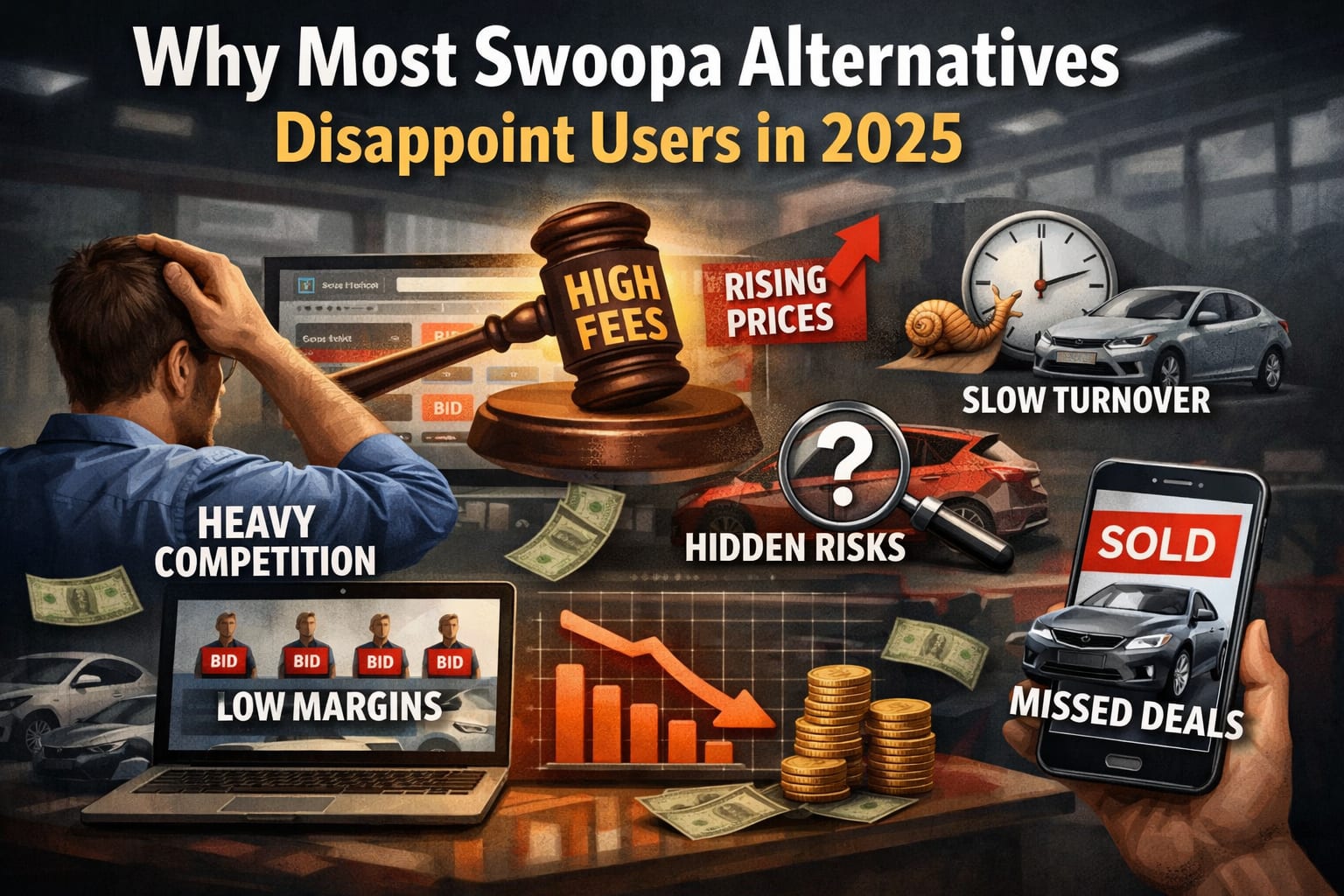
Why Most Swoopa Alternatives Disappoint Users in 2025
In 2025, online flipping has evolved from a casual side hustle into a full-blown digital economy. It’s a movement where everyday people are turning used items, clearance deals, and even digital
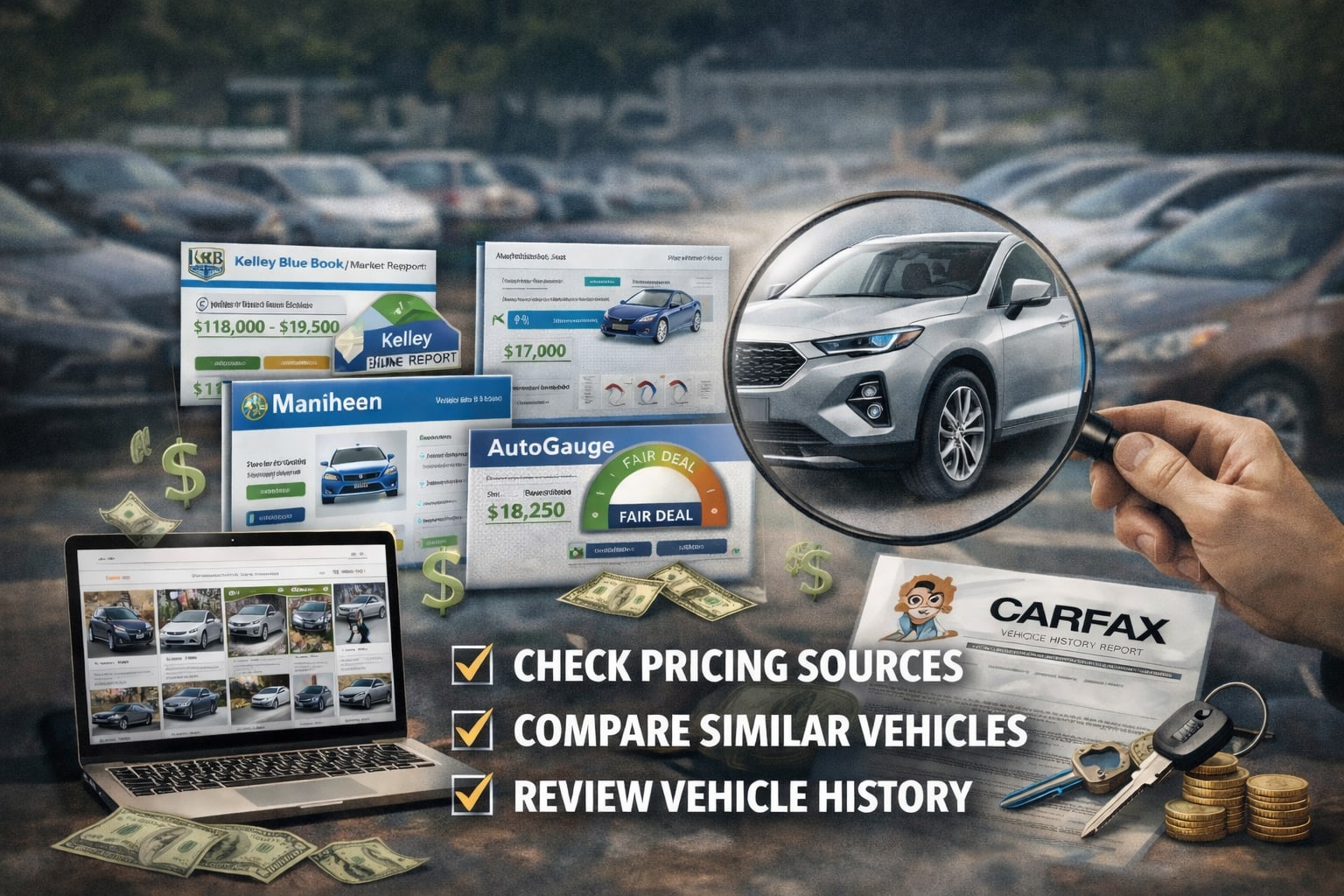
How to Evaluate a Vehicle’s True Value Before Buying
In 2025, online flipping has evolved from a casual side hustle into a full-blown digital economy. It’s a movement where everyday people are turning used items, clearance deals, and even digital
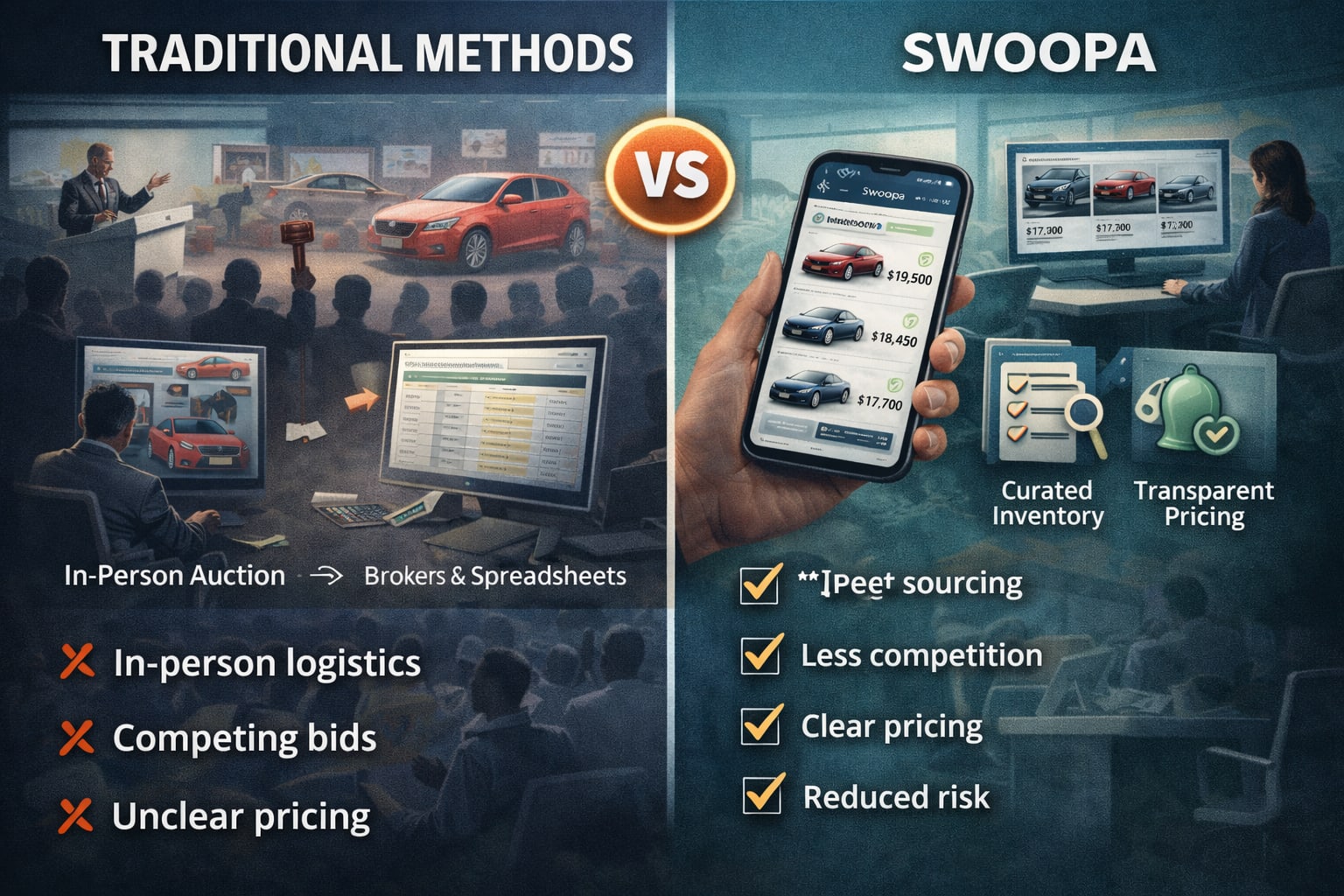
Swoopa vs Other Alternatives: A Smarter Way to Source Vehicles
In 2025, online flipping has evolved from a casual side hustle into a full-blown digital economy. It’s a movement where everyday people are turning used items, clearance deals, and even digital