
Top 7 Mistakes to Avoid in Car Flipping (And How to Profit More)
Car flipping is the art of buying low, fixing smart, and selling high. And with the right approach, it can be a seriously profitable side hustle — even if you’re not a mechanic.
Today, tools like Swoopa make it easier to spot undervalued cars, filter by title status, and track the best deals across platforms. It’s a game-changer for anyone learning how to start car flipping without wasting hours scrolling.
But here’s the catch: one bad buy or sloppy listing can wipe out your profit.
Let’s break down the 7 biggest mistakes new flippers make and how to avoid them so you can flip smarter and earn more.
1. Skipping Research on Car Values and Demand
One of the fastest ways to lose money is flipping cars? Buying blind.
If you don’t know what a car is actually worth — or how quickly it sells in your area — you’re basically gambling with your budget. Just because a car looks like a good deal doesn’t mean it actually is.
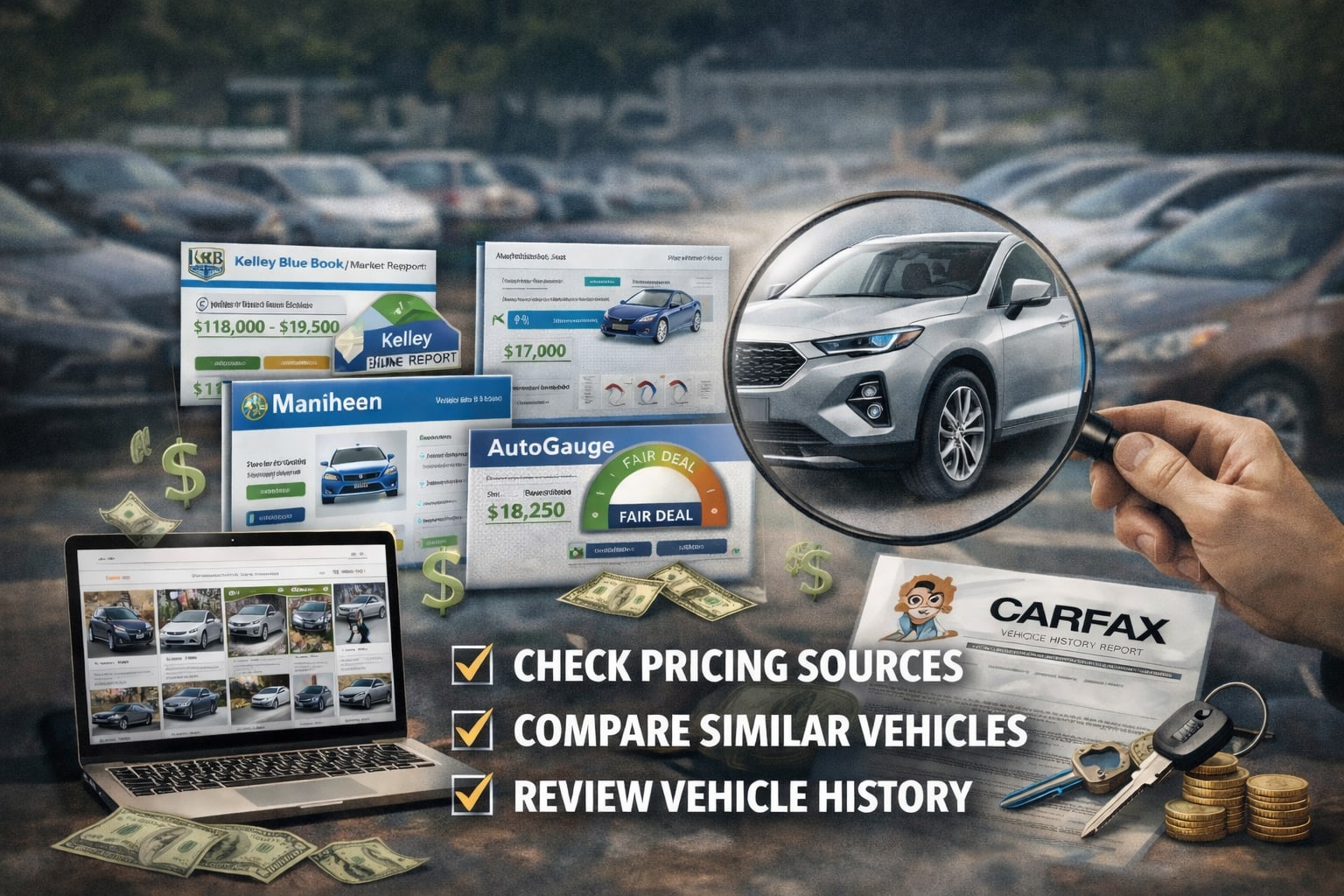
Before you buy, always check platforms like Kelley Blue Book and compare listings on Facebook Marketplace to see what similar models are selling for. Look at mileage, condition, year, and how long listings stay up.
2. Buying Without a Clear Budget or Profit Margin
Flipping with feelings instead of math? That’s a fast track to failure.
It’s easy to get excited about a sleek car at a “decent” price, but you might be overpaying or underestimating costs without running the numbers. Repairs, registration, cleaning — it all adds up.
Before purchasing, set a clear budget and a target profit (like $1,000 minimum per flip). Use a simple spreadsheet or a car flipping bot to estimate total costs and projected resale value.
The goal? Never buy a car unless you know it can turn a profit, not just hope it will.
3. Underestimating Repair Costs
That “just needs a new bumper” deal? It could end up draining your entire profit.
Minor fixes often lead to hidden issues, like rust under the body, engine trouble, or electrical problems. What looks like a quick flip can become a money pit if you’re not careful.
Always get a pre-purchase inspection, many shops offer this for cheap or even free. It’s a small cost that can save you from a big mistake.
Stick to cars with cosmetic damage and clean titles. They’re easier, cheaper, and way more reliable to resell.
4. Not Checking Title Status & VIN History
Buying a car without checking its title or history report is a rookie mistake.
Salvage, rebuilt, or flood-damaged titles might seem like a steal, but they’re often tough to resell and can hide serious issues. Most buyers avoid them, so you’ll struggle to profit.
Always run a VIN check using tools like Carfax or AutoCheck before closing the deal. This gives you a clear view of the car’s past accidents, ownership history, and title status.
It’s a simple step that can save you thousands.
5. Poor Negotiation and Overpaying
Paying the full asking price eats into your profit before the flip even starts.
Smart negotiation is key. Show up with cash, be polite but firm, and don’t rush. If a seller senses desperation, they won’t budge on price.
One simple line that works surprisingly well:
“I’m buying to resell — what’s your best price?”
It’s honest, direct, and often gets you a better deal on the spot.
Remember, the less you spend upfront, the more you profit later.
6. Bad Listing Photos and Descriptions When Selling
You could have the perfect flip, but if your listing looks sloppy, it won’t sell fast — or for the price you want.
Great photos and honest descriptions make a big difference. Buyers scroll fast, and first impressions matter.
Quick tips:
- Wash and vacuum the car before shooting
- Take photos in natural light, showing all angles (interior too)
- Be clear and honest about the condition — no surprises
The better your listing looks, the quicker it sells. And faster flips mean faster profits.
7. Trying to Flip Too Many Cars Too Soon
Flipping cars is exciting, and once you see your first profit, it’s tempting to go all in. But trying to scale too fast can backfire.
Taking on multiple cars before you’ve nailed the process usually leads to costly mistakes, missed details, and burnout.
Start small. Focus on flipping 1 or 2 cars to learn the ins and outs, from inspections to listings to negotiating. Once you’ve got a system that works, then scale smart.
Slow and steady wins this race.
Flip Smart, Profit More
Car flipping isn’t just about buying and selling — it’s about making smart, informed decisions at every step.
Avoiding these 7 mistakes can mean the difference between a profitable flip and a costly lesson:
- Skipping research
- Ignoring your budget
- Underestimating repairs
- Overlooking title and VIN history
- Overpaying due to poor negotiation
- Sloppy listings
- Scaling too fast
The good news? Car flipping is learnable. And with the right tools and patience, anyone can build a profitable side hustle.
Start your flipping journey with Swoopa today and skip the rookie errors.
You May Like

Why Most Swoopa Alternatives Disappoint Users in 2025
In 2025, online flipping has evolved from a casual side hustle into a full-blown digital economy. It’s a movement where everyday people are turning used items, clearance deals, and even digital
How to Evaluate a Vehicle’s True Value Before Buying
In 2025, online flipping has evolved from a casual side hustle into a full-blown digital economy. It’s a movement where everyday people are turning used items, clearance deals, and even digital

Swoopa vs Other Alternatives: A Smarter Way to Source Vehicles
In 2025, online flipping has evolved from a casual side hustle into a full-blown digital economy. It’s a movement where everyday people are turning used items, clearance deals, and even digital