
Ultimate List of USA’s Best Deal-Finding Apps in 2025 (for Resellers & Shopaholics)
Finding great deals in the USA has become a digital art in 2025. With prices constantly fluctuating and flash sales appearing out of nowhere, using the best apps for finding deals in the USA is now a must for both resellers and shopaholics. Whether you’re a side hustler flipping electronics for profit or a casual shopper chasing weekend discounts, these apps help you uncover price drops, hidden bargains, and coupon codes before they disappear.
The rise of apps to find discounts & bargains has reshaped how Americans shop. Instead of manually browsing dozens of sites, smart shoppers rely on deal alert apps 2025 that track prices, send instant notifications, and even apply coupons automatically. Platforms like Honey, Slickdeals, and Rakuten have turned online deal-hunting into a fun, data-driven experience.
In this ultimate guide, we’ll explore the most reliable deal-finder apps for resellers, cashback platforms, and price tracking apps to help you save time, money, and effort while shopping smarter in 2025.
Why Deal-Finding Apps Matter in 2025
In 2025, saving money isn’t just about clipping coupons or waiting for the next big sale—it’s about using technology to stay one step ahead. With inflation still affecting everyday prices and eCommerce expanding faster than ever, shoppers need smarter ways to track discounts and maximize value. That’s where apps like Slickdeals & Honey make a huge difference.
These modern tools act as personal shopping assistants—scanning thousands of retailers, comparing prices, and sending instant alerts when a product hits your target price. For resellers and flippers, this automation can mean the difference between catching a profitable deal or missing out entirely.
Meanwhile, coupon aggregator apps collect working promo codes from across the internet and apply them at checkout, saving users hours of manual searching. In an economy where prices change daily and brands compete aggressively for online attention, these apps help shoppers cut through noise and find genuine value.
What’s more, deal-finding apps are no longer just browser add-ons; they’re now integrated ecosystems combining cashback rewards, price tracking, and community-sourced deals in one platform. Whether you’re buying wholesale for resale, hunting limited-time gadget discounts, or restocking household essentials, the right app ensures you always pay less—and sometimes even earn back part of your spend.
In short, 2025’s smart shoppers don’t just shop—they strategize. And the rise of deal alert apps has made that strategy more accessible than ever.
What Makes a Great Deal-Finding App
Not all deal-hunting tools are created equal. While some offer flashy notifications, the best ones combine speed, accuracy, and smart automation. So, what actually makes the best price drop apps stand out in 2025? Let’s break it down.
- Real-Time Accuracy
The key to any great app is timing. When prices change every few hours, accuracy matters more than ever. Top-rated tools instantly detect drops across major retailers, ensuring you never miss the window for savings. - Speed of Alerts
The faster an alert hits your screen, the better your chances to snag a deal before it’s gone. Many of the best price drop apps now use AI-based monitoring to refresh prices every few minutes instead of hours. - Multi-Platform Accessibility
A powerful deal-finding app isn’t limited to one device. The smartest browser extension apps + mobile apps sync seamlessly across Chrome, Safari, iOS, and Android. That means whether you’re browsing on your laptop or checking deals during your commute, you’ll always have your alerts handy. - Ease of Use & Smart Filters
Great apps make navigation intuitive. Advanced filters let users track specific brands, categories, or discount thresholds—ideal for those who want only serious price drops, not random sales spam. - Transparent Pricing & Features
Many apps now operate on a freemium model—basic alerts are free, but premium users get early access to exclusive deals and deeper analytics. Transparency about paid features helps users decide whether an upgrade is worth it.
In short, the best deal tools are more than just price trackers—they’re intelligent shopping companions that combine speed, precision, and convenience across all platforms.
Top Deal-Finding Apps in USA for 2025
The U.S. market in 2025 is overflowing with tools designed to save shoppers time and money, but not all of them deliver real value. Below are the top-rated and most trusted deal-finding apps helping both resellers and everyday shoppers score the best prices this year. Whether you prefer browser tools, mobile apps, or community-driven platforms, this list highlights where you’ll get the biggest bang for your buck.
1. Honey
Best for: Automated coupon application
Honey remains one of the most popular tools for finding instant savings at checkout. This PayPal-owned extension scans thousands of online stores for valid promo codes and applies the best one automatically
Pros | Cons |
Works seamlessly across major eCommerce platforms | Not all coupons work on smaller stores |
Offers Honey Gold (cashback rewards) | Pricing: Free |
Reliable for daily purchases |
.Website: https://www.joinhoney.com/
2. Slickdeals
Best for: Community-driven deal sharing
Slickdeals thrives on its huge community of shoppers who post and rate real-time offers. You can filter by category, store, or discount percentage.
Pros | Cons |
Massive deal community | Interface can feel busy for beginners |
Verified, user-tested offers | Pricing: Free |
Daily and trending alerts |
Website: https://slickdeals.net/
3. Rakuten
Best for: Cashback on regular purchases
Rakuten (formerly Ebates) rewards users with cashback for shopping through its partner stores. It’s ideal for anyone who prefers stacking rewards with sales.
Pros | Cons |
Works with over 3,500 stores | Cashback takes time to process |
Reliable payment system | Pricing: Free |
Combines coupons + cashback |
Website: https://www.rakuten.com/
4. Camel
Best for: Amazon price tracking
Camel specializes in tracking price histories on Amazon and alerting you when products drop to your desired level.
Pros | Cons |
Accurate Amazon-only tracking | Amazon-only platform |
Historical price graphs | Pricing: Free |
Simple email or RSS alerts |
Website: https://camelcamelcamel.com/
5. DealNews
Best for: Curated deals & tech discounts
DealNews curates a daily list of hand-picked deals from around the web, focusing heavily on electronics, gadgets, and apparel.
Pros | Cons |
Human-curated lists ensure quality | Limited customization for alerts |
App + newsletter updates | Pricing: Free |
Seasonal roundups (e.g., Black Friday) |
Website: https://www.dealnews.com/
6. ShopSavvy
Best for: Barcode scanning in-store
ShopSavvy lets users scan barcodes in physical stores to compare prices online instantly. It’s perfect for ensuring you’re not overpaying while out shopping.
Pros | Cons |
Great for in-store verification | Occasional slow scan detection |
Includes online price matching | Pricing: Free |
Website: https://shopsavvy.com/
7. BuyVia
Best for: Cross-platform deal aggregation
BuyVia compiles deals from major retailers like Best Buy, Amazon, and Walmart into one feed. It’s ideal for shoppers who browse across multiple categories.
Pros | Cons |
Strong app interface | Ads can be intrusive in free version |
Local + online deals in one place | Pricing: Free (Pro version available) |
Website: https://www.buyvia.com/
8. Flipp
Best for: Grocery & local retail deals
Flipp helps shoppers browse weekly flyers from supermarkets and drugstores to find grocery savings. It’s also handy for comparing in-store promotions.
Pros | Cons |
Localized deals by ZIP code | Focused mainly on groceries |
Integrates with loyalty cards | Pricing: Free |
Website: https://flipp.com/
9. PriceBlink
Best for: Automatic comparison shopping
This extension automatically shows lower prices from other sites when you’re viewing a product.
Pros | Cons |
Works instantly on thousands of eCommerce sites | Browser-only tool |
Finds free shipping offers too | Pricing: Free |
Website: https://www.priceblink.com/
10. Swappa
Best for: Electronics & refurbished devices
Swappa isn’t just a marketplace—it also offers deal alerts for specific device categories. Perfect for resellers and refurbishers watching price trends.
Pros | Cons |
Verified listings only | Primarily focused on tech |
Built-in alert system | Pricing: Free |
Website: https://swappa.com/
11. Offers.com
Best for: Coupons & daily deals
Offers.com aggregates deals from thousands of brands in fashion, travel, and software.
Pros | Cons |
Clean interface | Doesn’t always update expired deals quickly |
Active coupon verification | Pricing: Free |
Website: https://www.offers.com/
12. Woot
Best for: Daily flash sales
Owned by Amazon, Woot focuses on limited-time deals across tech, home goods, and more. It’s one of the most exciting flash sale notification tools for deal hunters who like fast-paced offers.
Pros | Cons |
New deals every day | No long-term price tracking |
Amazon Prime integration | Pricing: Free |
Website: https://www.woot.com/
These twelve tools represent the top tier of deal-finders apps for resellers and everyday shoppers alike. From browser-based coupon finders to mobile cash-back platforms, they combine technology, community, and real-time analytics to make saving effortless.
Hidden & Niche Apps Worth Checking Out
While the big players dominate the spotlight, some lesser-known platforms are quietly helping shoppers and resellers uncover exclusive discounts. These hidden gems might not trend on Reddit or TikTok, but they often deliver faster alerts, better sourcing options, and niche-specific savings that mainstream tools miss. Many of them blend the flexibility of browser extension apps + mobile apps, giving users multiple ways to stay connected wherever they shop.
1. Swoopa
Best for: Marketplace deal tracking
Swoopa is a rising favorite among Facebook Marketplace and Craigslist resellers. It alerts you the moment an underpriced listing appears, helping you flip items before others even notice. You can filter by price range, category, or region — making it powerful for sourcing local inventory.
2. PriceRunner
Best for: Price comparison across eCommerce stores
Popular in Europe and now expanding across the U.S., PriceRunner compares millions of listings across hundreds of retailers, displaying both current and historical prices. Its “Price History” chart helps users decide whether to buy now or wait for a dip.
3. Octoshop
Best for: Out-of-stock alerts & multi-store tracking
Octoshop automatically tracks restocks and price changes across multiple stores for high-demand items like consoles, GPUs, or sneakers. It’s perfect for resellers who buy low and sell later during supply shortages.
4. Shopular
Best for: Mobile-based store coupons
Shopular delivers mobile notifications when you’re near a store offering a discount or special promo. It’s great for in-person shoppers who prefer on-the-go alerts over online-only offers.
5. Karma (formerly Shoptagr)
Best for: Wishlist & price-drop alerts
Karma helps users save items they want from any online store and notifies them when the price drops or a coupon becomes available. It also integrates with email receipts to track savings automatically.
6. Ben’s Bargains
Best for: Expert-curated deals
Ben’s Bargains operates much like a smaller Slickdeals — offering editor-picked daily deals, primarily on tech, fashion, and home goods. Its focused approach filters out spammy offers and expired codes.
Whether you’re sourcing wholesale items, monitoring local resale opportunities, or just saving on everyday purchases, these underrated platforms add depth to your toolkit. Together, they round out the best apps for finding deals USA that go beyond the mainstream, helping you stay ahead of price trends and limited-time offers before anyone else.
How Different Deal Apps Work in Real-World Scenarios
Deal-finding tools are not one-size-fits-all. Each app specializes in a certain type of deal discovery — from coupon automation to price history tracking and community-driven alerts. Understanding when and how to use them can make a huge difference in your savings strategy. Here’s how different platforms perform across common shopping scenarios.
1. Coupon Automation for Instant Savings
When shopping online, time and accuracy matter. Apps like Slickdeals & Honey are designed for users who want automatic savings without manual effort. They scan multiple retailers in real time, test promo codes, and apply the best one at checkout. This is ideal for routine online shoppers — especially those who frequently purchase from big-box stores or subscription services.
Use Case: Everyday buyers who prefer “set-and-forget” coupon tools that save instantly at checkout.
2. Advanced Price Tracking for Strategic Shoppers
The best price drop apps are made for patient shoppers — people who monitor prices over time instead of buying impulsively. These tools record historical pricing data, predict trends, and alert you the moment an item dips below your target price.
Use Case: Smart consumers or resellers waiting for optimal buying opportunities on tech products, appliances, or seasonal items.
3. Community-Based Deal Sharing
Some platforms rely on their users to find and vote on deals, creating a social element around saving. This is where crowd wisdom helps surface limited-time discounts or bundle promotions that even AI might miss.
Use Case: Active deal hunters who like browsing trending community deals and flash sales curated by real people.
4. Flash Sale & Limited Stock Alerts
Flash sales often last only a few hours. Specialized tools that provide real-time notifications on price drops, restocks, and limited inventory can help buyers act before the window closes.
Use Case: Shoppers targeting high-demand products (like sneakers, consoles, or phones) that sell out fast.
5. Reseller-Focused Deal Alerts
For flippers and bulk buyers, sourcing underpriced items quickly can be the difference between profit and loss. Platforms with auction monitoring or regional filters help resellers track discounted listings before competitors spot them.
Use Case: Marketplace resellers and arbitrage sellers who flip electronics, collectibles, or local inventory.
In short, each type of deal app serves a distinct shopping purpose. Whether it’s instant couponing, detailed price tracking, or rapid inventory alerts, using the right mix of tools ensures maximum savings, less effort, and more opportunities to profit from timely purchases.
Tips to Maximize Savings with These Apps
Simply downloading a few deal-hunting tools isn’t enough — the real savings come from how you use them. Whether you’re a casual shopper or a reseller hunting profitable flips, optimizing your setup can make all the difference. Here are proven strategies to get the most from your favorite cash-back & discount alert apps in 2025.
1. Set the Right Alerts and Filters
Be specific with what you want. Instead of tracking everything in a category, set custom alerts for certain brands, models, or price thresholds. This prevents alert fatigue and ensures that every notification is relevant. Many apps now use AI to refine alerts based on your shopping history — take advantage of those smart filters.
2. Stack Multiple Savings Tools
One of the best-kept secrets among experienced deal-hunters is stacking. Use a price tracker to monitor drops, a coupon tool to apply promo codes, and a cashback app to reclaim a percentage of your spend. For example, pairing a Chrome extension with a mobile-based rewards app can often yield double benefits.
3. Track Seasonal Trends
Most major retailers follow predictable discount cycles — tech in November, furniture in May, travel in January. Understanding these cycles helps you time your alerts effectively. Set temporary tracking for seasonal items like electronics or sportswear right before their expected markdown period.
4. Use Watchlists and Price Histories
Apps that include wishlists or price charts allow you to see whether a current deal is truly a bargain or just a marketing gimmick. If the product’s price often dips lower, it may be worth waiting. On the other hand, items with consistent pricing are better bought during limited-time bundles or coupon offers.
5. Don’t Ignore Local or Classified Deal Alerts
Many platforms now offer local deal tracking — a major win for resellers and thrifty shoppers. Monitoring nearby listings for underpriced goods lets you snag deals before competitors do, often without shipping costs.
By using these strategies, you’re not just saving small amounts — you’re building a long-term, data-driven shopping system. When used strategically, deal-finding apps transform every purchase into a smarter investment rather than an impulse buy.
Risks & Limitations of Deal-Finding Apps
While technology makes shopping easier, even the smartest deal alert apps 2025 come with limitations that every shopper and reseller should understand. These apps are powerful, but they’re not foolproof. Knowing where they fall short can help you use them more effectively and avoid common pitfalls.
1. Expired or Inaccurate Deals
One of the most frequent issues with deal apps is expired or incorrect listings. Since many platforms rely on user submissions or automated crawlers, a price may change before the app updates. This can be frustrating, especially during high-traffic sale seasons when inventory moves quickly. Always double-check the timestamp and seller credibility before purchasing.
2. Overemphasis on Discounts
Deal-hunting can easily turn into a habit of chasing the lowest price — even when the product quality or brand reliability doesn’t justify the purchase. Some users end up buying items they don’t need simply because they’re marked down. Smart shoppers compare reviews and warranty terms alongside discounts, not instead of them.
3. Privacy and Data Concerns
Many deal apps collect data on browsing habits, purchase history, and preferences to deliver personalized offers. While this improves targeting, it also raises privacy questions. Before installing any browser extension or mobile app, read the permissions carefully and opt out of unnecessary data-sharing features when possible.
4. Notification Overload
Tools that send constant pop-ups or emails can quickly become overwhelming. Especially when using flash sale notification tools, users often receive alerts for dozens of time-limited deals per day. To prevent burnout, adjust your notification settings to focus only on high-priority categories or brands that truly matter to you.
5. Hidden Commissions and Affiliate Links
Some free deal apps earn revenue through affiliate links or retailer commissions. This isn’t inherently bad, but it may influence which deals they prioritize or promote. Transparency varies from app to app, so it’s best to favor platforms that clearly disclose their affiliate relationships.
6. Market Manipulation Risks
In niche resale markets, automated bots can influence product pricing or availability by driving artificial demand. This is rare but can impact real-time deal tracking accuracy. Always cross-check with official retailer data before committing to a purchase.
Deal-finding apps are incredibly helpful when used mindfully. By being aware of their limits, you can filter out noise, protect your privacy, and focus on genuine savings opportunities rather than misleading offers.
Which App is Best for Different Needs
With so many deal-finding tools available in 2025, choosing the right one depends on what kind of shopper you are. Some prioritize cashback, others love automation, and many want alerts for resale opportunities. Here’s a quick breakdown of which apps perform best across different user categories.
1. For Everyday Shoppers
If your main goal is saving money on groceries, fashion, or tech purchases, look for tools that combine coupon automation with cashback rewards. Honey and Rakuten are great examples — they work quietly in the background, applying promo codes and giving you cash back without extra effort. They’re perfect for regular online buyers who value convenience and reliability over complexity.
2. For Deal Enthusiasts & Community Buyers
If you enjoy exploring trending bargains and comparing real-time discussions, community-driven apps like Slickdeals or DealNews are the best match. Their large user bases constantly update listings, ensuring you see fresh offers daily. This type of app also helps filter scams because members upvote verified deals and flag expired ones.
3. For Strategic & Patient Shoppers
Buyers who prefer tracking products over time will benefit most from tools like CamelCamelCamel or PriceRunner. These platforms are built around long-term tracking, making them ideal for those waiting for price drops on expensive items like laptops, TVs, or game consoles. Their graphs and price history charts offer deeper insights for data-driven decisions.
4. For Mobile-First Users
If you shop mostly from your phone, apps like Flipp and Shopular offer real-time local deals and store flyers optimized for mobile notifications. These are perfect for shoppers who prefer in-store purchases or want alerts based on nearby sales.
5. For Resellers & Side Hustlers
Resellers and marketplace flippers need speed, flexibility, and early access to price drops. Tools such as Swappa, Swoopa, and Octoshop are among the most reliable deal-finders apps for resellers, providing real-time alerts for underpriced listings or limited restocks. They help sellers identify profitable inventory fast, before competitors do — turning everyday deal-hunting into a business strategy.
Each app category serves a specific purpose. By matching your buying habits with the right platform type, you’ll not only save more but also shop smarter — whether you’re casually browsing for discounts or flipping products for profit.
FAQs
Yes, most reputable deal-finding apps are completely safe. Well-known tools like Honey, Rakuten, and CamelCamelCamel are trusted by millions of users worldwide. However, always download them from official sources like the App Store, Google Play, or verified Chrome Web Store listings. Avoid third-party download sites, and review permission settings before installing.
Absolutely. Many of the best price drop apps track millions of listings across multiple retailers and send alerts as soon as prices change. Tools like CamelCamelCamel or PriceRunner even display pricing history graphs, helping you decide the right time to buy. You can set custom thresholds so the app only notifies you when items fall within your desired range.
If you’re sourcing high-value flips like electronics or collectibles, it’s often worth driving farther. Use radius/travel distance filters dynamically — start small, then expand outward depending on how competitive your niche is.
Yes. Most deal platforms now offer cross-device compatibility through browser extension apps + mobile apps. That means you can browse deals on your laptop and get follow-up alerts directly on your phone. Some apps also sync data across devices so your wishlists and saved alerts stay consistent wherever you shop.
Most deal apps are free to use. However, some earn commissions through affiliate partnerships when users make a purchase via their links. This doesn’t increase your price — it’s simply how the platform generates revenue. Premium versions may offer advanced analytics, ad-free experiences, or early access to exclusive deals.
As long as you use trusted, verified apps, the risk is minimal. However, avoid sharing unnecessary personal data or login credentials. Always review the app’s privacy policy and disable any feature that requests access to unrelated data, such as contacts or unrelated browsing history.
Use one primary coupon app, one price tracker, and one cashback tool. For example, you might pair Honey for coupon automation, Rakuten for cashback, and CamelCamelCamel for long-term price tracking. This layered approach maximizes savings across all types of purchases — from everyday essentials to resale inventory.
Final Thoughts:
As 2025 continues to reshape how Americans shop, the demand for smarter digital tools has never been higher. From cashback platforms to coupon extensions and price trackers, the best apps for finding deals USA have turned bargain-hunting into a precise, automated process. Whether you’re a weekend shopper saving on essentials or a reseller flipping discounted inventory, these apps are your gateway to consistent, effortless savings.
However, the smartest shoppers go one step further. They use specialized tools that spot deals others miss — particularly in local or marketplace settings. That’s where Swoopa comes in. It’s designed for those who want real-time alerts on underpriced listings across platforms like Facebook Marketplace and Craigslist. Instead of manually refreshing pages or scrolling endlessly, you get notified the instant a profitable listing appears — giving you a major head start over competitors.
So whether you’re a reseller sourcing inventory or a smart buyer saving on everyday goods, start building your personal deal stack today.
You May Like
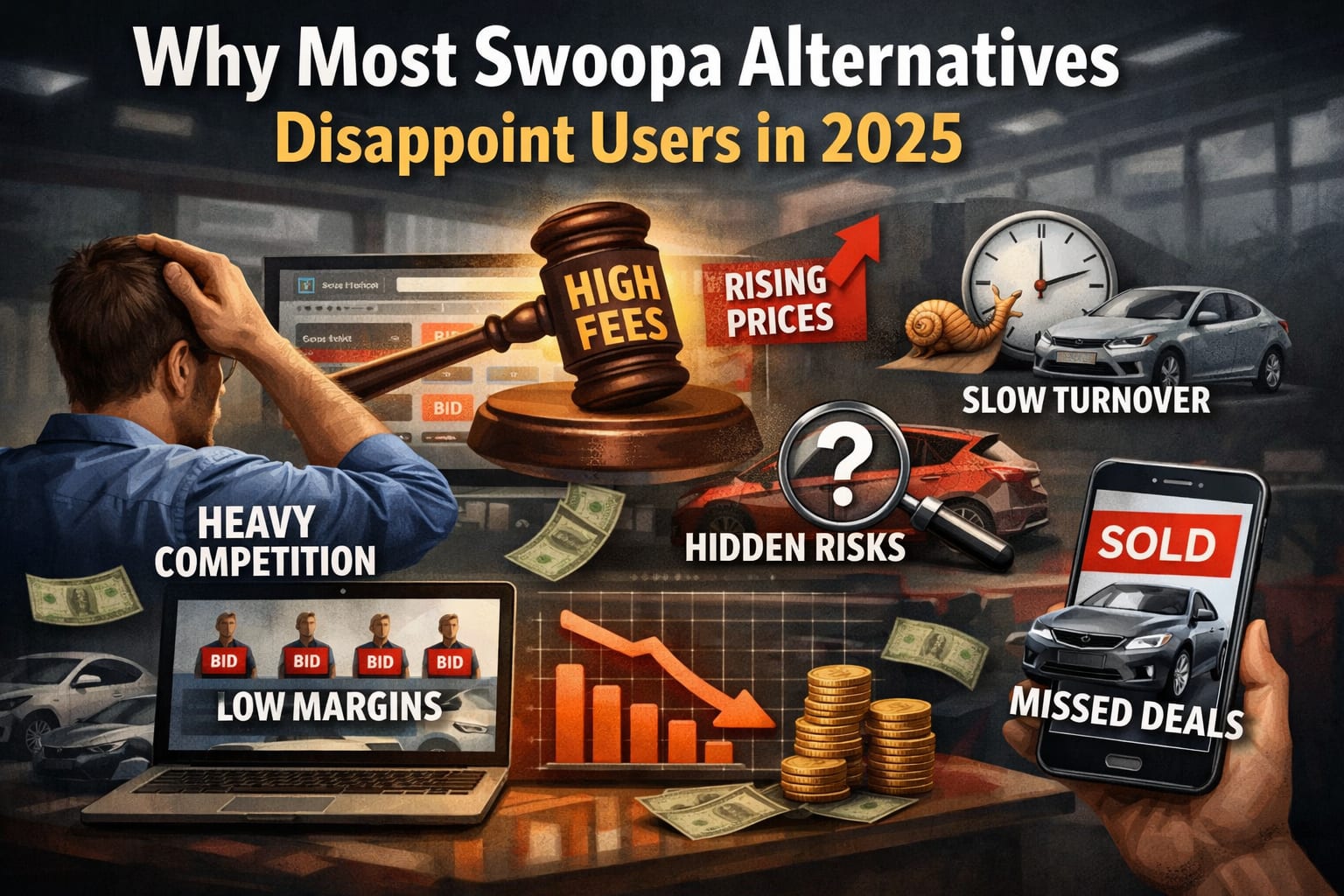
Why Most Swoopa Alternatives Disappoint Users in 2025
In 2025, online flipping has evolved from a casual side hustle into a full-blown digital economy. It’s a movement where everyday people are turning used items, clearance deals, and even digital
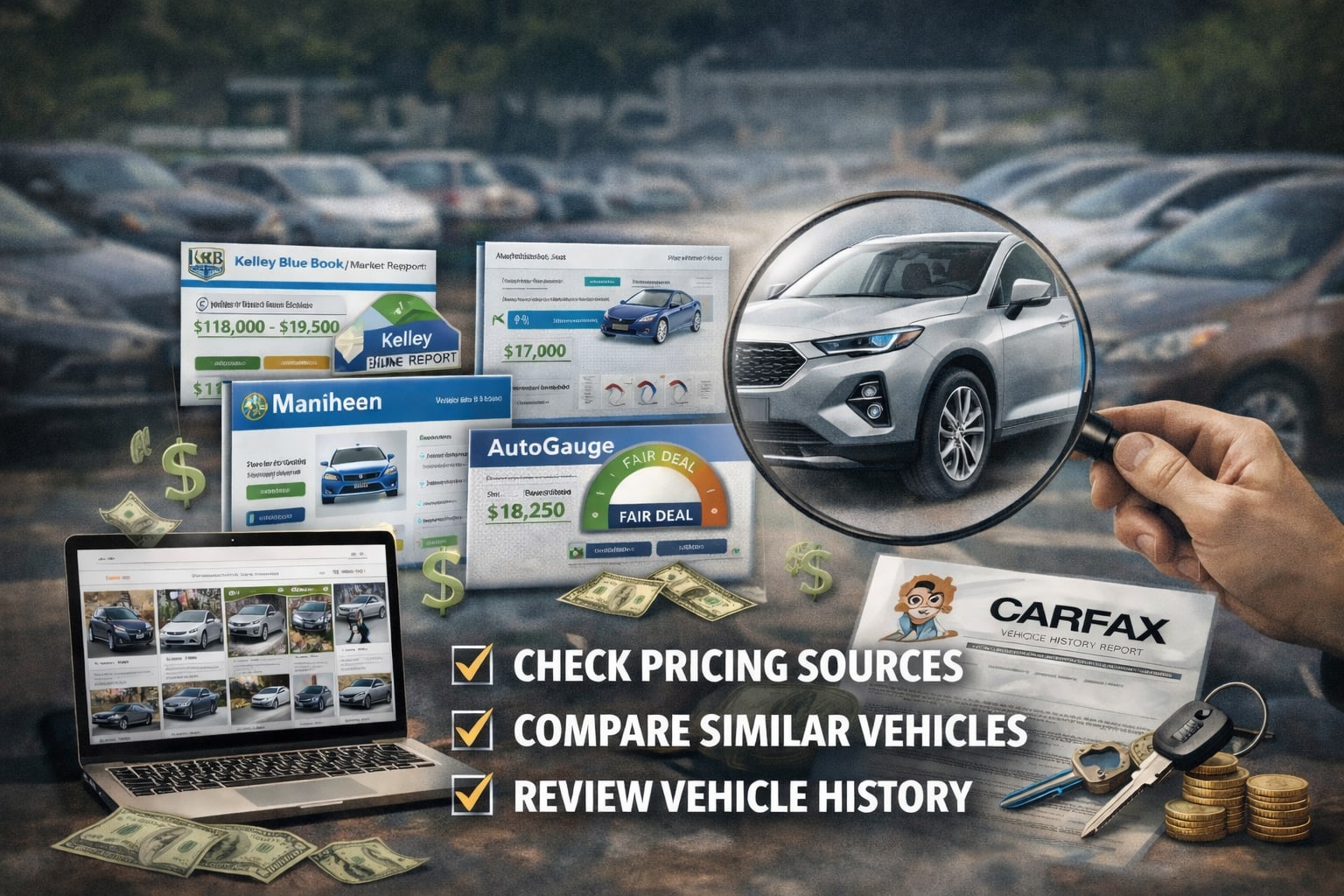
How to Evaluate a Vehicle’s True Value Before Buying
In 2025, online flipping has evolved from a casual side hustle into a full-blown digital economy. It’s a movement where everyday people are turning used items, clearance deals, and even digital
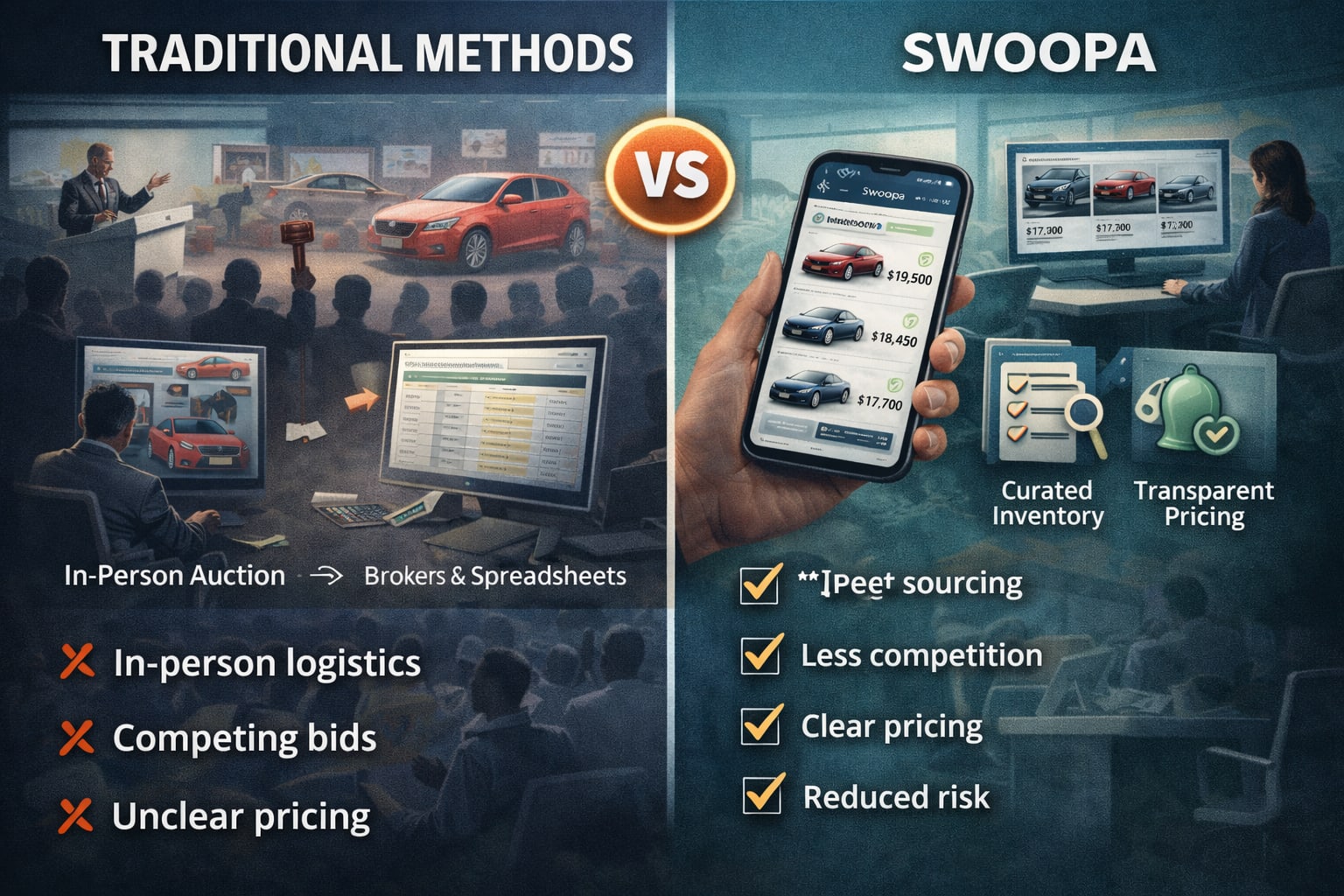
Swoopa vs Other Alternatives: A Smarter Way to Source Vehicles
In 2025, online flipping has evolved from a casual side hustle into a full-blown digital economy. It’s a movement where everyday people are turning used items, clearance deals, and even digital